
Key Takeaways:
- Storytelling in early childhood education helps young children explore emotions, relationships, and moral choices through relatable characters and situations.
- Stories make values such as honesty, kindness, and fairness easier for preschoolers to understand by connecting lessons to meaningful experiences.
- Emotional engagement during storytelling supports empathy, reflection, communication, and social awareness in ways that feel natural and lasting.
- Story-based learning encourages children to think critically, ask questions, and develop their own understanding through discussion and reflection.
Introduction
Stories are often among the first ways young children begin to make sense of emotions, relationships, and behaviour. Long before they can fully explain ideas such as honesty, fairness, or compassion, they start recognising these values through the experiences of storybook characters. A child may not yet have the words to define empathy, yet they can still understand the sadness of a character being left out or the comfort of someone showing kindness.
This is part of what gives storytelling in early childhood education such lasting significance. Stories allow children to explore choices, consequences, and emotions in ways that feel safe, engaging, and easy to relate to. Rather than being told what is right or wrong directly, children gradually come to understand these ideas through reflection, imagination, and discussion.
At Little Seeds Preschool, storytelling is woven naturally into everyday learning as part of our values-based and child-led approach to education. Through shared stories, meaningful conversations, and guided reflection, children build a deeper understanding of themselves, their relationships with others, and the world around them.
Why Children Connect Deeply With Stories
Young children are naturally drawn to stories because stories reflect experiences they are already beginning to navigate in everyday life. Characters face challenges, experience a range of emotions, make mistakes, resolve conflicts, and build relationships. Even when children cannot fully explain these situations in words, they often understand the feelings behind them instinctively.
A story about a child being left out during play or helping a friend who feels upset can feel deeply familiar to a preschooler. As children listen, they begin imagining what those experiences might feel like from another person’s perspective. This emotional connection helps nurture empathy and gradually encourages children to think beyond their own immediate feelings and reactions.
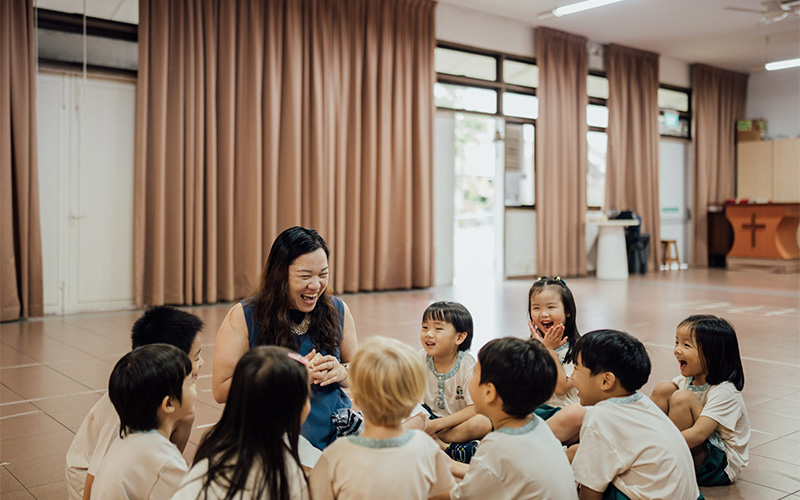
At Little Seeds Preschool, storytelling is not approached as mere passive listening. Children are encouraged to ask questions, share interpretations, imagine alternative outcomes, and express their thoughts openly. These conversations allow children to participate actively in the learning process rather than simply receiving information.
Our inspiration from the Reggio Emilia approach also shapes how stories are explored in the classroom. Through open-ended discussions, collaborative thinking, and opportunities for reflection, children are given space to develop their own understanding while learning from the ideas and perspectives of others.
Stories as a Safe Space to Explore Moral Choices
Young children are still learning how their words, actions, and decisions affect the people around them. Real-life situations can sometimes feel emotionally intense or difficult to process in the moment. Stories create a gentler space where children can explore these experiences from a comfortable distance.
A story about sharing, for example, allows children to notice how a character’s choices influence friendships and feelings without placing direct pressure on the child themselves. Stories involving honesty, responsibility, kindness, or forgiveness also help preschoolers encounter moral dilemmas gradually, giving them time to reflect and make sense of what they observe.
This is one reason storytelling in early childhood education plays such an important role in supporting moral development in young children. Rather than presenting behaviour as a fixed set of rules to follow, stories encourage children to think about situations emotionally, socially, and thoughtfully. Children begin asking why certain actions hurt others, why trust matters, or how kindness can change an outcome.
At Little Seeds Preschool, we believe children learn most meaningfully when they feel emotionally safe to explore ideas openly. As a faith-based preschool, we integrate our “Values Matter” programme into daily life, guiding children through thoughtful conversations and reflective questions. This approach encourages them to think about relationships, emotions, and behaviour in meaningful ways.
How Stories Turn Values Into Meaningful Experiences
Values such as kindness, honesty, fairness, and responsibility can feel quite abstract to young children when explained only through instruction. Stories help bring these ideas to life by placing them within situations that children can see, feel, and emotionally connect with.
When a character loses a friend’s trust after telling a lie, children begin to understand why honesty matters beyond simply “following rules.” A story about patience, courage, or forgiveness allows preschoolers to see how values shape relationships, emotions, and outcomes in everyday situations.
This is part of why teaching values through stories is often more meaningful and lasting than direct correction alone. Stories allow children to experience values emotionally before they are fully able to explain them in words. Instead of memorising behaviours mechanically, children gradually begin understanding the reasons behind them.
At Little Seeds Preschool, we intentionally nurture character and well-being through authentic learning experiences and meaningful interactions. Storytelling supports this by helping children connect values to real, relatable situations, rather than viewing them as isolated concepts disconnected from daily life.
Stories also encourage children to reflect on their own experiences. After hearing about a character resolving conflict calmly or showing empathy towards others, children often begin to recognise similar moments in their own friendships and classroom interactions. Over time, these reflections quietly shape how children approach relationships, communication, and decision-making in everyday life.
Emotional Engagement Helps Lessons Stay With Children
Children often remember stories not only because of what happened but also because of how they made them feel. Moments of excitement, sadness, relief, worry, or joy help shape how children process and remember experiences.
When preschoolers feel emotionally connected to a character, the lessons within the story become more personal and meaningful. A child who feels concerned for a lonely character or happy when someone shows kindness is already beginning to develop emotional understanding through that connection.
This emotional connection plays an important role in empathy development through storytelling. As children listen, they begin to consider perspectives beyond their own and recognise how emotions can influence behaviour, relationships, and decision-making.
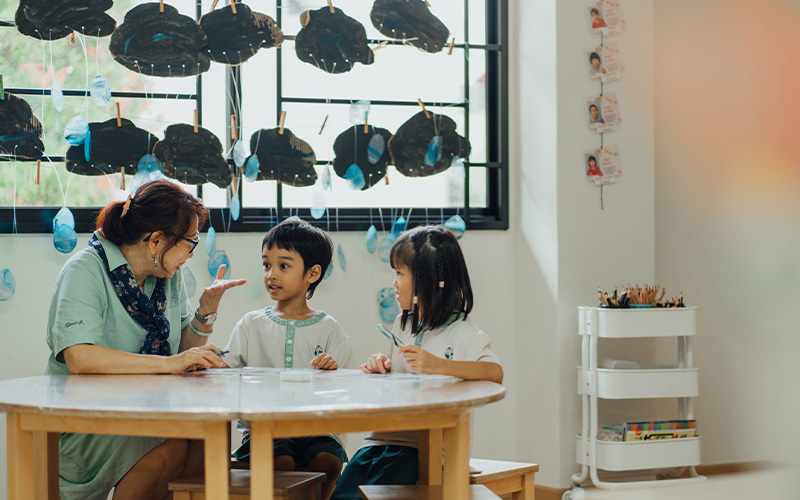
At Little Seeds Preschool, emotional engagement is viewed as an important part of holistic learning. As a play-based preschool in Singapore that families trust for child-led, values-based education, we recognise that meaningful learning often occurs when children are emotionally engaged in the experience itself. Storytelling naturally supports this by encouraging children to reflect, respond, communicate, and build deeper social awareness through shared conversations and interactions.
Supporting Social and Cognitive Growth Through Stories
The value of storytelling in early childhood education extends far beyond moral learning alone. Listening to stories helps children strengthen language development, comprehension, attention span, and communication skills. Discussions during and after storytelling also encourage children to organise their thoughts, express their ideas more confidently, and listen respectfully to others’ perspectives.
Stories also introduce children to experiences, cultures, and viewpoints outside their immediate surroundings. Through different characters and situations, preschoolers begin to develop broader social awareness and a growing understanding that people may think, feel, and respond differently from them.
Within our classrooms, stories rarely end when the book closes. Children often revisit ideas from storytelling during dramatic play, artwork, group discussions, or collaborative activities throughout the day. A story about friendship may reappear during imaginative play, while a discussion about kindness may continue naturally during classroom interactions. These moments reflect how learning develops organically when children are given opportunities to explore ideas through experience and reflection.
Why Storytelling Fits Naturally Into Values-Based Preschool Education
Stories invite children into learning in a way that feels open, engaging, and emotionally safe. Rather than simply telling children how they should behave, storytelling encourages them to ask questions, think about different perspectives, and reflect on the choices characters make.
Children often take away different meanings from the same story. One child may notice the importance of honesty, while another focuses on friendship, perseverance, or kindness. These varied interpretations create valuable opportunities for discussion and deeper reflection within the classroom.
At Little Seeds Preschool, we believe children flourish when educators guide rather than control the learning process. Our role is to support children as they think, wonder, question, and gradually form understanding through shared experiences and meaningful conversations.
This approach aligns closely with our values-based philosophy, where emotional development, relationships, character formation, and identity are nurtured alongside academic learning. Through storytelling, children are not simply taught which values matter. They begin discovering why those values matter through emotional connection, reflection, and everyday interactions with others.

Growing Moral Understanding Through Everyday Stories
Stories hold a quiet yet lasting influence during the early years of childhood. Through relatable characters, emotional experiences, and meaningful conversations, children gradually develop empathy, fairness, honesty, and social awareness in ways that feel natural rather than forced.
This is part of what makes storytelling in early childhood education so meaningful. Stories give children opportunities to reflect on emotions, relationships, and behaviour through situations they can understand and connect with personally. Over time, these small but repeated experiences help shape how children relate to others and make sense of the world around them.
At Little Seeds Preschool, storytelling forms part of our broader commitment to nurturing the whole child through values-based, child-led learning. We believe children grow most meaningfully when they are given opportunities to explore ideas safely, connect emotionally with others, and reflect on experiences in ways that respect their individuality and pace of learning.
If you are looking for a preschool that values character development, reflective learning, and meaningful childhood experiences alongside academic growth, visit a Little Seeds Preschool centre to experience how our values-based approach supports each child’s growth and development.

