
Key Takeaways:
How do everyday routines support a child’s identity development?
- Identity development in early childhood is shaped through consistent daily routines such as mealtimes, play, and transitions, helping children build confidence, emotional awareness, and a sense of belonging
- Predictable routines create emotional safety, allowing children to feel secure, manage transitions better, and express themselves more freely within familiar environments
- Simple daily choices and self-care activities help children develop independence, responsibility, and confidence in their own abilities over time
- Calm, repeated routine moments support self-awareness by helping children recognise and understand their emotions through gentle guidance and interaction
- Strong routines also build belonging by encouraging social interaction, peer learning, and inclusion within a shared classroom community
- Consistency between home and preschool routines further strengthens identity development and helps children adjust more confidently to structured learning environments.
Introduction
A child’s sense of self is not formed through isolated lessons or one-off experiences. It develops gradually through familiar, repeated moments that feel safe and meaningful. In early childhood, identity development is closely tied to everyday routines such as mealtimes, play, and transitions. These moments provide a steady structure where children begin to understand who they are, how they feel, and how they relate to others.
For many parents, these daily experiences are often most visible during separation at drop-off, participation in group activities, or moments of emotional uncertainty. These situations can quietly raise questions about confidence, readiness, and social adjustment.
How Do Daily Routines Support a Child’s Sense of Identity?
Predictability Creates Emotional Safety
Consistent routines give preschoolers a clear sense of what to expect, which helps them feel secure. When children know what comes next, they can focus less on uncertainty and more on expressing themselves freely. This emotional safety plays a central role in identity development, as it allows children to explore their thoughts and preferences with confidence.
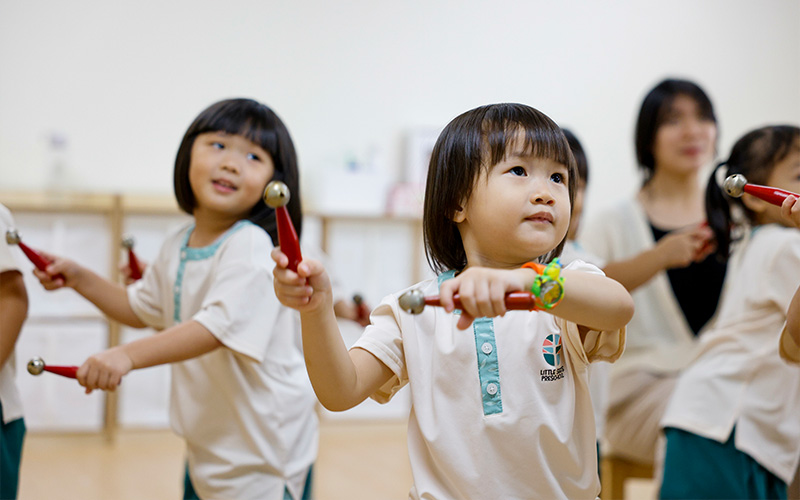
At Little Seeds Preschool, routines are introduced gradually and adapted across age groups. Younger children are supported more closely during transitions, while older children begin to take on greater responsibility within familiar structures. Educators continuously observe responses and adjust pacing accordingly.
Familiar Rhythms Help Children Feel Recognised
Daily routines such as greeting time, meals, and clean-up moments become opportunities for meaningful interaction. Educators acknowledge each child’s voice, preferences, and responses, ensuring they feel recognised as individuals rather than simply part of a group.
In some families, this focus on consistent care and shared values is also why they choose a faith based preschool, where daily routines are shaped not just around structure, but also around respect, belonging, and everyday relationships that help children feel grounded.
How Can Everyday Choices Build Independence?
Small Decisions Encourage Ownership
Simple choices within routines help children develop a sense of agency. Selecting a book, choosing how to begin an activity, or deciding how to participate in group time allows children to experience ownership in a meaningful way.
At Little Seeds Preschool, learning environments are structured to support increasing independence. Materials are made accessible, and children are encouraged to make decisions within safe and guided boundaries.
Self-Care Builds Confidence and Capability
Daily routines include self-care tasks such as handwashing, tidying up, and preparing for rest. These repeated actions allow children to practise responsibility and build confidence through consistency.
How Do Routine Moments Support Self-Awareness?
Emotional Safety Creates the Space to Reflect
A secure environment allows self-awareness to develop. When children feel safe within predictable routines, they are more open to recognising and expressing their emotions.
At Little Seeds Preschool, emotional safety is prioritised first, before deeper reflection is introduced. Educators use observation and judgement to determine when a child is ready for more reflective emotional guidance.
Calm Interactions Encourage Reflection
Routines create natural pauses in the day where children can begin to notice and understand their emotions. These moments support self-awareness in young children through gentle conversation and responsive interaction.
How Do Routines Create a Sense of Belonging?
Familiar Experiences Reflect Identity
A strong sense of identity grows when children feel that they belong. Everyday routines can include familiar languages, shared experiences, and culturally meaningful interactions that reflect each child’s background. For example, children may naturally switch between English and Mandarin during daily conversations, or take part in celebrating local festivals such as Chinese New Year or Deepavali through stories, songs, and classroom activities that connect learning to their lived experiences.
Community and Peer Interactions Shape Identity
Shared routines allow children to develop social understanding through collaboration, turn-taking, and problem-solving. At Little Seeds Preschool, educators guide these interactions thoughtfully. Children also begin to understand their place within a group as they observe, respond to, and learn from their peers during everyday interactions.
How Can Parents Support Identity Development Through Routines at Home?
Extending Familiar Rhythms Beyond the Classroom
Children benefit most when routines are consistent across both school and home environments. Communication between educators and parents supports this alignment.
At Little Seeds Preschool, ongoing communication helps parents understand how routines evolve as children grow. This shared understanding allows children to experience continuity, where expectations, language, and daily habits feel familiar in both settings, making transitions between home and school smoother and more secure.
Balancing Structure with Flexibility
While routines provide stability, they should not become overly rigid. Children need space to explore and adapt. A balanced approach allows routines to guide the day while still leaving room for curiosity, play, and unexpected learning moments. This flexibility helps children feel supported without feeling restricted, encouraging them to respond confidently when situations change or new experiences arise.
Conclusion
Everyday routines gently shape how children develop confidence, emotional awareness, and a sense of belonging, supporting identity development through steady and meaningful daily experiences.
At Little Seeds Preschool, these routines are thoughtfully guided and observed by our educators across all our centres, including Bukit Batok and Yishun, helping each child grow at a comfortable pace in a calm, supportive environment.
Explore Little Seeds Preschool to learn how daily routines can support your child’s early development and readiness for their next stage of learning.

