
Key Takeaways:
- Values are absorbed through everyday experiences, where small interactions and routines shape how children understand respect, empathy, and responsibility.
- In a faith-based education, beliefs are lived out consistently through relationships and daily practices, rather than taught as isolated concepts.
- Educators play a central role by modelling behaviour, guiding interactions, and creating space for children to apply values in real situations.
- A strong values foundation supports emotional security, social confidence, and a more balanced approach to learning that extends beyond the classroom.
Introduction
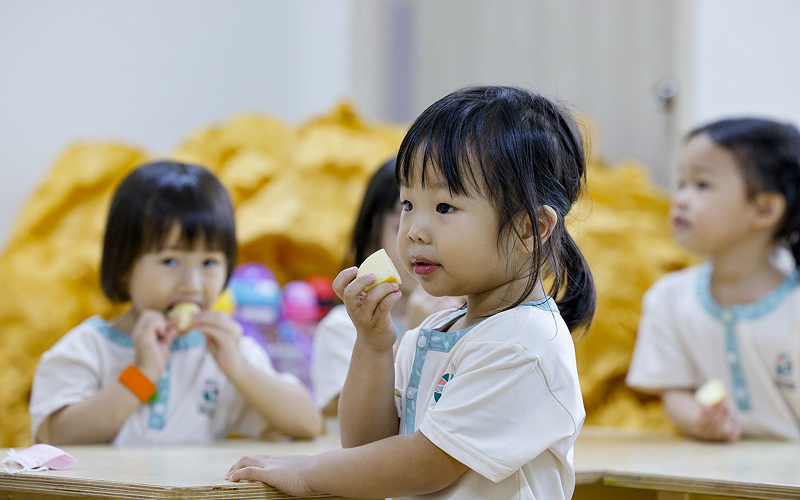
In the preschool years, values are not picked up through lengthy explanations or structured lessons. Instead, they form gradually, woven into the quiet rhythm of the day: a gentle tone of voice, taking turns without being reminded, or a teacher guiding a child through a small disagreement. These seemingly simple moments shape how children begin to understand care, respect, and what it means to be part of a community.
At Little Seeds Preschool, our faith-based education is rooted in this everyday experience. Values are not treated as separate lessons taught at specific times. Rather, they are woven into our interactions, our responses, and the way we foster an environment where each child feels seen and supported. When children experience consistency, care, and respect in tangible ways, these qualities begin to take root naturally.
What Faith-Aligned Values Look Like in Everyday Preschool Life
In a faith-based environment, values such as kindness, patience, integrity, and respect are not taught as distant ideas. Instead, they are lived out daily in the small, everyday moments children experience.
A teacher lowers herself to a child’s eye level, speaking calmly instead of rushing through instructions. A child instinctively offers help when a friend struggles with a task. Rather than being shut down, a disagreement during play is gently guided so both children can be heard. These moments may seem simple, yet they profoundly shape how children begin to understand others and their place within a group.
This is where values-based learning in early childhood gains true significance. Moral development is not separated from the rest of learning; rather, it is embedded within it. Through conversations, shared activities, and guided interactions, children begin to connect what they feel, what they do, and how they relate to others.
Within faith-based education, these everyday experiences give values their depth. Children are not merely introduced to them; they learn what those values look and feel like in real life, in ways they can recognise and carry forward.
How Classroom Routines Reflect Shared Values
Daily routines often feel simple, yet they carry quiet significance. From greeting one another in the morning to taking turns during an activity or putting materials back after use, these moments are more than mere habits. They provide children with repeated opportunities to practise consideration, responsibility, and awareness of others.
When the day follows a steady rhythm, children begin to feel secure. They know what to expect, and over time, they start to understand the purpose behind these actions. Returning a book to its shelf or waiting patiently, for example, is no longer seen as just a rule. Rather, it becomes a way of showing care for the space and for the people around them.
Within a thoughtfully designed preschool curriculum in Singapore, routines are not rushed through or merely treated as background elements. Instead, we approach them with intention, recognising that these everyday patterns help children internalise values in a way that feels natural, consistent, and readily applicable.
The Role of Educators in Modelling Faith-Aligned Values
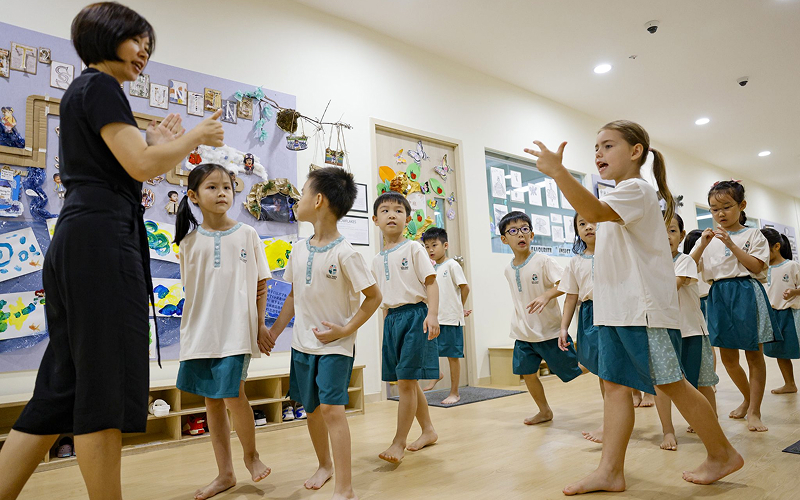
Young children absorb far more than we often realise. Even before they can articulate values, they observe intently, noticing how adults respond, speak, and conduct themselves in various situations.
A calm response during a disagreement does more than simply ease the moment; it demonstrates steadiness. Listening without interruption reflects a respect they can truly feel. And choosing to guide rather than intervene too quickly gives them space to think, respond, and learn at their own pace.
This approach lies at the heart of character development in preschool. Children naturally absorb what they observe repeatedly around them. Our role extends beyond merely telling them what is right; it involves creating opportunities for them to experience these values firsthand. Over time, with gentle guidance and reflection, these behaviours become internalised, forming an integral part of how they act and relate to others.
Supporting Social and Emotional Growth Through Values-Based Interactions
Values truly come alive within relationships. Through shared play, group activities, and quiet conversations, children learn to navigate emotions and social situations, all while feeling safe and supported.
When a child learns to say, “I didn’t like that,” they begin to understand their own feelings. Similarly, one who responds with, “I’m sorry,” takes a vital first step towards empathy and making amends. These seemingly small moments gradually shape how children connect with others.
We nurture these interactions thoughtfully, allowing children time to pause, reflect, and consider different perspectives. Over time, this consistently builds emotional security and social awareness. In a faith preschool setting, these daily experiences are integral to a broader faith-based education, where relationships are fostered through respect, compassion, and mutual care.
Creating an Inclusive Environment Rooted in Respect and Belonging
A sense of belonging takes time to grow. It comes from consistency, from trust, and from the quiet reassurance of being seen and accepted.
We shape our learning spaces to reflect this. Materials are within reach, inviting children to explore with confidence. Conversations are approached with care, and every voice is listened to. Each child’s way of thinking, expressing, and engaging is recognised, allowing them to feel secure in their own identity while finding their place within the group.
Within a bilingual preschool setting, this sense of belonging is deepened further. Language becomes a natural bridge for connection, giving children more ways to express themselves and understand others. Over time, this not only supports communication but also nurtures an early awareness of different perspectives and cultures.
Why Faith-Aligned Values Support Holistic Learning
Values such as perseverance, integrity, and care extend far beyond mere behaviour. They profoundly shape how children respond to challenges, relate to others, and engage with learning.
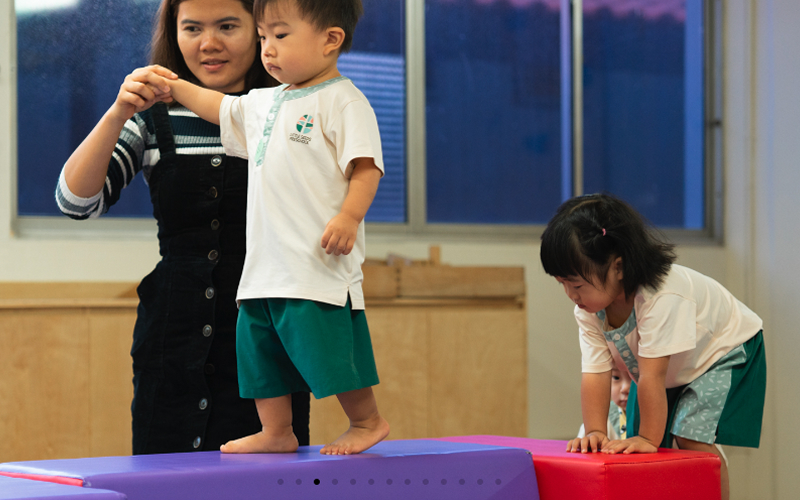
A child who learns to persevere with a difficult task begins to build quiet confidence. Similarly, one who experiences empathy becomes more open to working alongside others. Over time, these qualities influence not just what children learn, but also how they approach new situations and relationships.
This reflects the heart of holistic early years education, where learning is not solely about academic progress. Instead, it encompasses the growth of dispositions, relationships, and a developing sense of purpose. When values are embedded in everyday experiences, children internalise these life skills, fostering a genuine and lasting interest in learning.
Conclusion
Values take root in the everyday moments children encounter: a kind word offered without prompting, a patient response during a challenge, a familiar routine that brings a sense of calm. Over time, these experiences begin to shape how children think, relate to others, and grow into their own identities.
At Little Seeds Preschool, our faith-based education is committed to nurturing the whole child through these meaningful, everyday moments. If you are seeking a preschool that thoughtfully prioritises character, relationships, and learning, we invite you to connect with us and explore how our environment can support your child’s journey of growth and discovery.

