
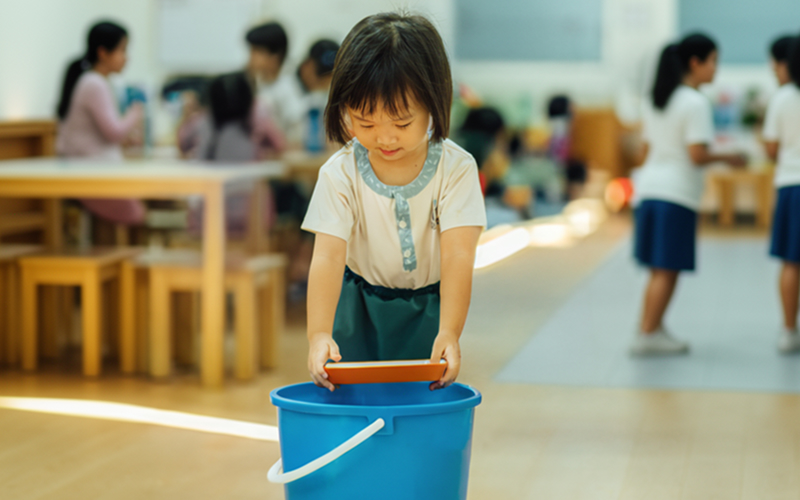
Nurturing Global Citizens from the Early Years
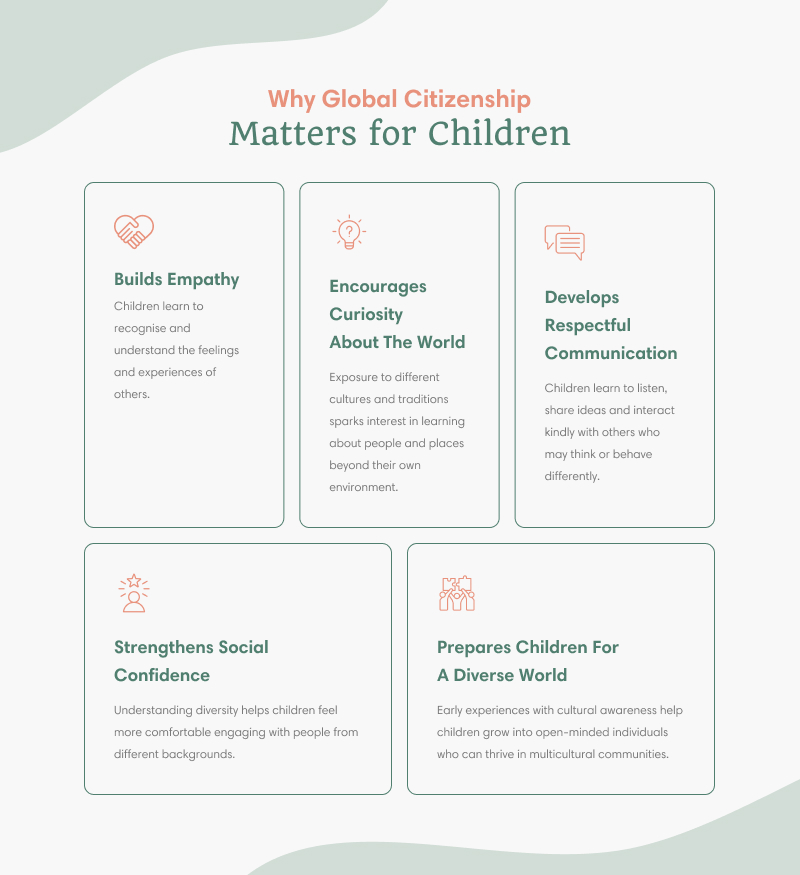
Children are naturally curious about the world around them. Long before they fully understand what they mean, they notice different languages, celebrations, foods and traditions. These early observations shape how children begin to make sense of people and cultures beyond their own families. The early years, therefore, offer a valuable opportunity to nurture openness, empathy and respect.
Preschool is often one of the first places where children learn to interact with a wider community. In the classroom, they share materials, take turns during activities and learn to express their thoughts and feelings. Through these everyday interactions, children begin to notice that people may think, speak or celebrate in different ways. Over time, these small moments help lay the foundation for raising global citizens who feel comfortable connecting with people from different backgrounds.
In Singapore, diversity is woven into daily life, and children grow up surrounded by different languages, cuisines and cultural traditions. Preschool education can help children understand this diversity in a positive way, guiding them to appreciate differences while also recognising the shared values that bring people together.
Through values-based early childhood education, children gradually learn empathy, kindness and respect in ways that feel natural and meaningful. These qualities contribute to holistic child development in preschool, supporting children’s social, emotional and intellectual growth. Over time, these early experiences influence how children see the world and how they learn to take their place within it.
Key Takeaways:
- Early childhood education helps nurture global citizens by guiding children to develop empathy, respect and awareness of cultural diversity from a young age.
- A culturally inclusive classroom that introduces stories, music and traditions from different cultures helps children appreciate differences while building curiosity about the wider world.
- Daily classroom interactions such as collaborative play, guided conversations and shared activities help children practise kindness, cooperation and respectful communication.
- Celebrating cultural festivals and exploring global themes allows children to see diversity as a natural and meaningful part of everyday life.
- When preschools nurture strong values and supportive relationships, children develop the confidence and understanding needed to interact thoughtfully with people from different backgrounds.
Building the Foundation for Global Citizenship
The early years are a time when children begin developing their understanding of relationships, community and the world around them. In a preschool setting, everyday experiences such as listening to stories, celebrating cultural traditions and interacting with peers gently shape how children recognise both differences and similarities among people.
Through values-based early childhood education, children gradually learn to show respect, empathy and openness towards others. These qualities form an important part of character development in early years, guiding how children communicate, cooperate and respond to new ideas or perspectives.
Over time, these meaningful interactions contribute to holistic child development in preschool, supporting children as they grow socially, emotionally and intellectually. As children learn to appreciate diversity and build positive relationships, they begin developing the understanding and attitudes that help them grow into thoughtful and compassionate global citizens.
Creating a Culturally Inclusive Curriculum
A culturally inclusive classroom allows children to encounter diversity through stories, music, play and shared celebrations. These experiences introduce different cultures in ways that feel natural and engaging, helping young learners explore traditions, languages and perspectives in ways they can understand.
These everyday moments also support character development in early years. As children participate in group activities and learn about different cultural practices, they begin recognising values such as fairness, kindness and cooperation in their interactions with others.
Over time, these experiences help children develop a broader awareness of the world around them, nurturing the attitudes and understanding that support the growth of global citizens.
Incorporating Multicultural Content
Introducing multicultural content in the classroom allows children to encounter different cultures in natural and engaging ways. Stories, songs and creative activities can reflect traditions from various parts of the world, giving children opportunities to explore diverse perspectives through play and imagination.
These experiences also support social and emotional learning in preschool. As children listen to stories from different cultures or learn songs in another language, they are encouraged to ask questions, share their thoughts, and appreciate different ways of life. Such moments help nurture curiosity and openness.
At the same time, children begin building life skills such as empathy, cooperation, and respectful communication. Through these shared experiences, children gradually develop a broader understanding of the world around them, helping them grow into thoughtful global citizens.
Parents exploring early childhood education options often seek environments that foster curiosity and discovery through engaging activities. Many families value a play-based preschool approach, where children learn about the world through storytelling, imaginative play and hands-on experiences.
Books and stories
Stories are a gentle introduction for children to cultures beyond their own. Picture books featuring families from diverse backgrounds help children recognise the many different ways people live, speak, and celebrate. Through these stories, children begin to see the world from different perspectives.
As children listen to and discuss a story, they often consider how the characters might feel or respond in various situations. These moments support social and emotional learning in preschool, helping children to develop empathy and a deeper understanding of others.
Music and songs
Music provides a vibrant and accessible means of introducing cultural diversity into the classroom. Traditional songs from different countries expose children to new rhythms, languages, and instruments, allowing them to experience the richness of diverse musical traditions.
Singing together often sparks curiosity, prompting children to ask about a song’s origins or the meaning of its lyrics. These conversations offer glimpses into different cultures while simultaneously encouraging children to listen to, explore, and appreciate sounds from around the world.
Creative classroom activities
Hands-on activities allow children to explore different cultures through play and creativity. They might create crafts inspired by traditional art forms, learn simple greetings in different languages, or contribute to a classroom mural reflecting cultures from around the world.
These experiences encourage curiosity and spark conversations about traditions, customs and ways of life beyond their own. Through playful learning, children gradually develop an appreciation for diversity while nurturing the attitudes that support the growth of global citizens.
Celebrating Cultural Festivals
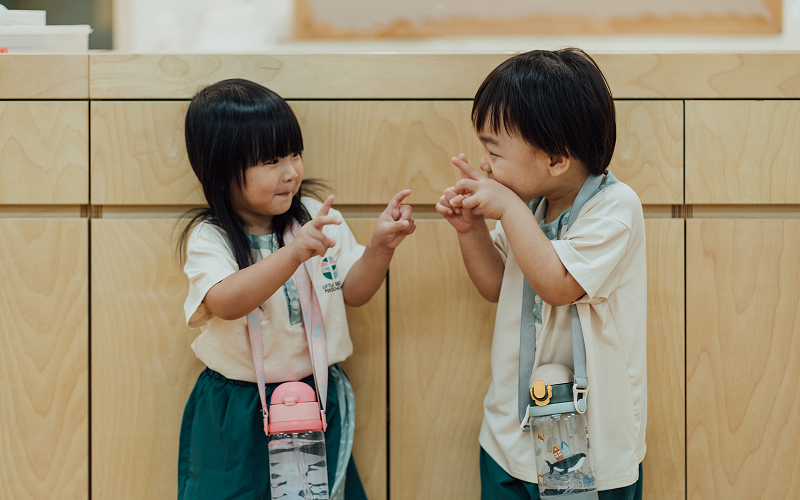
Festivals provide children with a valuable opportunity to witness how traditions are expressed through food, music, storytelling and family gatherings. Celebrating festivals in preschool helps children recognise that communities mark important occasions in diverse ways, each with its own customs and significance.
Through simple and engaging activities, children can learn about celebrations such as Chinese New Year, Hari Raya, Deepavali or Christmas. Listening to traditional stories, creating festive crafts or learning songs linked to these occasions allows children to experience cultural traditions in an enjoyable and accessible way.
These experiences broaden children’s awareness of the world while reinforcing the idea that cultural diversity is part of everyday life. Through these shared moments, children begin to develop the understanding and openness that support the growth of global citizens.
Preschools may also collaborate with neighbouring centres or community groups during festival celebrations. These interactions allow children to see how traditions can be shared across communities, while discovering the unique ways in which each culture expresses them.
Introducing Global Awareness in Simple Ways
Young children can start to discover the wider world through small, meaningful experiences connected to their daily lives. Simple classroom activities, conversations and shared routines help them notice that people across the globe live, speak and celebrate in diverse ways.
When these concepts are introduced in an accessible manner, children begin to develop curiosity and open-mindedness towards others. In time, these early experiences help to nurture the understanding and attitudes that foster the growth of global citizens.
Learning about the world
Maps and globes are helpful tools that allow children to visualise the world beyond their immediate surroundings. Teachers can use them to highlight the locations of stories or commonly observed celebrations, helping children connect classroom learning with real places around the globe.
These visual aids introduce the idea that people live in different countries and cultures while sharing the same planet. In a bilingual preschool, children may also encounter different languages alongside these cultural references, further enriching their understanding of how people communicate and connect across the world. Gradually, children begin to recognise the world’s diversity and interconnectedness.
Learning from everyday differences
Children do not need complex lessons to begin understanding the wider world. Often, simple moments in the classroom create meaningful learning opportunities. When children hear a classmate speak another language, share a traditional snack from home, or talk about a family celebration, they begin to see how people’s experiences can be different from their own. These everyday encounters help children develop curiosity and respect for others, encouraging them to approach differences with openness and interest.
Learning to care for others and the environment
Simple classroom routines can help children understand the importance of caring for people and the environment. Activities such as recycling, watering plants, or helping classmates encourage children to practise responsibility and kindness in everyday situations.
Through these experiences, children begin building essential life skills, learning that their actions can influence others and the world around them. Over time, these small acts of care help nurture a sense of responsibility and respect for their surroundings.
Understanding community
Everyday moments of kindness, sharing and cooperation help children understand that they are part of a community. Through simple interactions, such as helping a friend, taking turns, or working together during activities, children begin learning how their actions affect others. These experiences nurture empathy and responsibility, qualities that support the development of global citizens.
For many families, choosing a preschool close to home allows children to build these connections within their local community. For example, some parents may consider centres such as our preschool in Yishun, where children can learn and grow alongside peers who live in the same neighbourhood.
Promoting Inclusive Classroom Practices
A culturally rich curriculum is enhanced by daily interactions rooted in respect, kindness, and understanding. In the classroom, children observe how teachers communicate, listen, and respond to diverse perspectives. These everyday moments subtly influence how children learn to treat one another.
When respect and empathy are consistently modelled, children begin to adopt these behaviours themselves. Over time, these experiences help them develop positive relationships and learn to appreciate differences among their peers.
Encouraging Respect and Empathy
Teachers guide children by modelling respectful communication and attentive listening in their everyday interactions. When children become frustrated or disagree, educators help them to express their feelings calmly, while also learning how their words and actions affect others.
Values such as patience, self-control and kindness are gently reinforced through daily routines and classroom activities. These consistent experiences support character development in the early years, helping children learn how to relate thoughtfully and respectfully to their peers.
Group activities also play an important role in this process. Collaborative art projects, storytelling circles and simple team games encourage children to share ideas, listen to others, and work together towards a common goal. Through these shared experiences, children begin to recognise that cooperation and understanding help to build strong relationships; qualities that contribute to the development of global citizens.
Addressing Bias and Stereotypes
Young children sometimes repeat ideas or assumptions they have heard without fully understanding them. When this happens, educators gently guide conversations, helping children to reflect on what they have said and encouraging them to consider different perspectives.
Classroom materials also play an important role. Books, toys and displays can reflect families, cultures and abilities from many different backgrounds. When children see themselves and others represented in the classroom, they begin to understand that diversity is a normal part of everyday life.
These experiences support holistic child development in preschool, helping children to feel valued and included while learning to treat others with respect and understanding.
Creating a Sense of Belonging
A warm and welcoming environment helps children feel safe, confident, and ready to learn. At Little Seeds Preschool, our classrooms are thoughtfully arranged to encourage exploration while supporting different learning styles and developmental needs.
Our teachers closely observe each child, offering guidance when needed to help them navigate new experiences and interactions. We also maintain open communication with families, allowing our educators to better understand each child’s background, strengths, and needs, and creating a more responsive learning environment.
When children feel supported and accepted, they are more comfortable forming friendships, expressing their ideas, and engaging with new experiences. These everyday moments nurture curiosity and empathy, qualities that contribute to the development of global citizens.
Supporting Educators in Nurturing Global Citizens
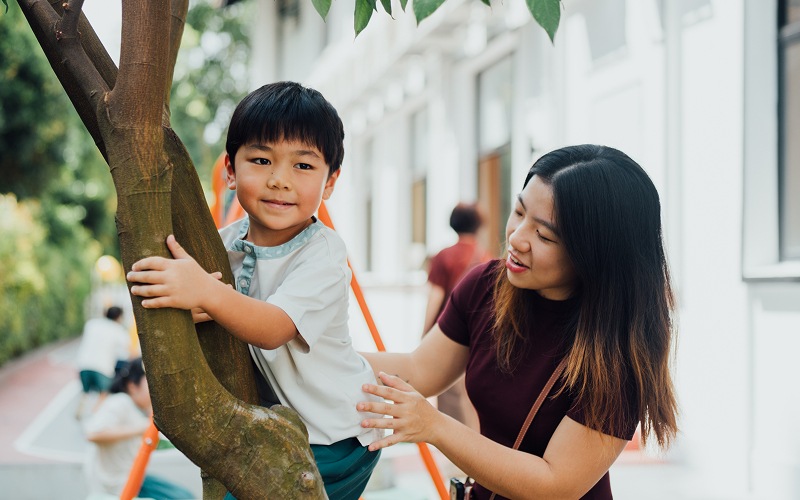
Teachers play a vital role in helping children understand diversity, community, and respectful relationships. Through their guidance, children learn to listen to others, appreciate different perspectives, and interact kindly in everyday situations.
Ongoing support and professional development opportunities enable educators to create thoughtful and inclusive learning environments. When teachers feel supported, they are better equipped to guide children in developing the understanding and attitudes that nurture global citizens.
Collaboration and Shared Learning
Regular conversations between educators provide opportunities to exchange ideas, reflect on classroom experiences and learn from one another. These discussions encourage teachers to consider new approaches and deepen their understanding of values-based early childhood education.
When teachers share insights and practical strategies, they strengthen the school’s collective ability to create inclusive classrooms. This collaborative environment supports teaching practices that nurture empathy, respect and cultural awareness in young children.
Providing Resources and Support
By providing access to training opportunities, teaching resources and professional development workshops, schools can better support educators. These resources help teachers to strengthen their understanding of cultural awareness and introduce global themes in ways that are both meaningful and appropriate for young children.
When educators feel supported and well-equipped, they are better able to guide children with confidence and care, creating a learning environment where children can develop empathy, respect and curiosity about the world. These qualities contribute to the growth of global citizens.
Observing Growth and Development
Children develop empathy, respect and social awareness gradually over time. Rather than relying on formal assessments, educators often observe these qualities through everyday interactions and experiences in the classroom.
A child comforting a friend, sharing materials during an activity or showing curiosity about another culture can reflect growing emotional awareness. Moments like these reveal how social and emotional learning in preschool unfolds naturally through daily relationships and guided experiences.
Through consistent routines, group activities and thoughtful conversations, children continue building life skills in young children such as cooperation, communication and empathy. These skills support their relationships not only in the classroom but also in their wider community.
Educators also stay connected with professional networks and learning opportunities to remain informed about evolving early childhood practices. Insights from research and shared professional experiences help preschools continue strengthening how they nurture global citizens in the early years.
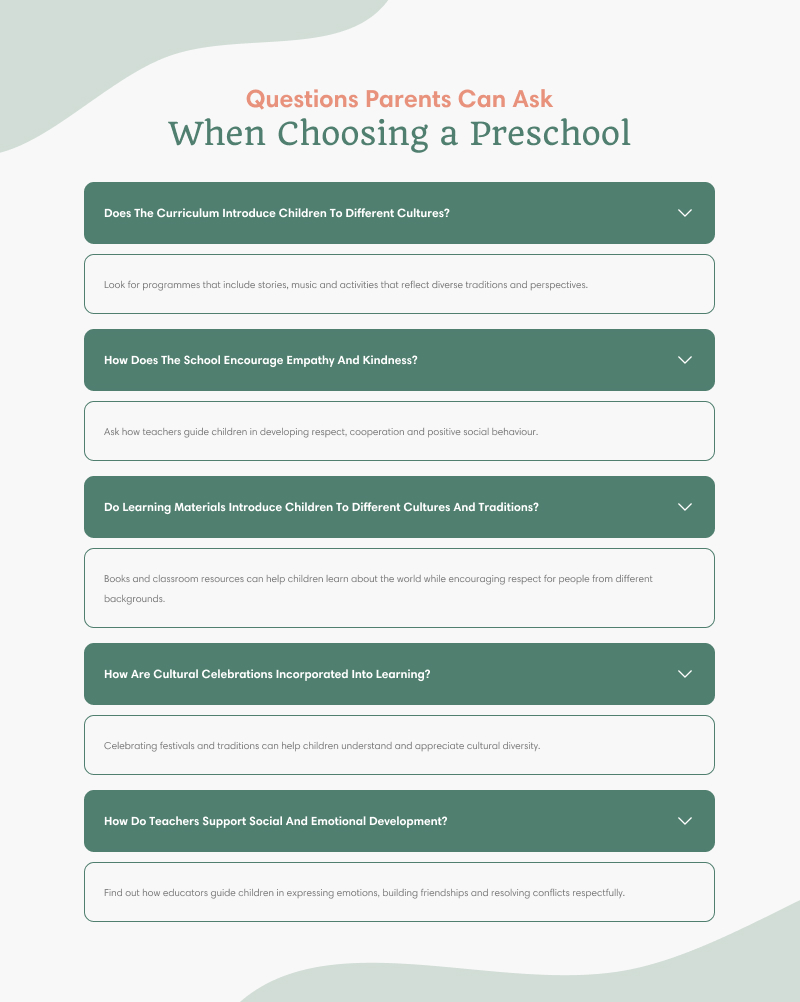
Questions Parents Often Ask
1. How do values help children become global citizens?
Values such as empathy, respect and honesty shape how children interact with others. When these values are practised daily through play, conversations and shared activities, children learn to listen, cooperate and consider perspectives beyond their own. Over time, these habits help them build positive relationships in diverse communities and develop the attitudes that support global citizens.
2. What life skills are important in the early years?
Skills such as communication, cooperation and emotional regulation help children navigate social situations with confidence. Through everyday routines, play-based learning and guided interactions, children gradually learn how to express themselves, work with others and manage their emotions. These experiences contribute to building life skills in young children that support their growth both in school and beyond.
3. How do preschools create inclusive environments?
An inclusive preschool environment ensures every child feels safe, respected and valued. Teachers support this by maintaining consistent routines, modelling kindness and guiding children in positive interactions. Classroom materials also reflect different cultures and experiences, helping children recognise and appreciate diversity in their learning environment.
Supporting Children as They Grow into Global Citizens
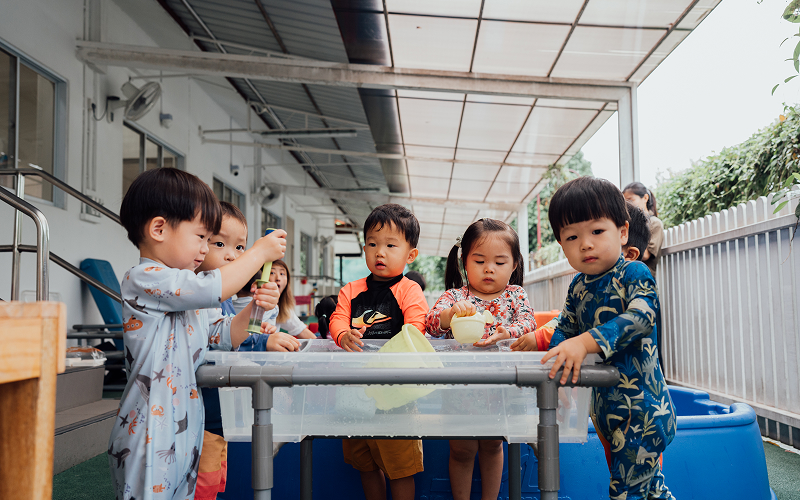
Becoming a global citizen often starts with simple, everyday experiences. Listening to stories from different cultures, celebrating festivals together, and practising kindness in our daily routines all help children develop a broader understanding of the world.
Preschools that nurture empathy, respect, and curiosity help children gradually learn to appreciate diversity and interact with others openly. These early experiences contribute to holistic child development, supporting children as they form friendships, build confidence, and learn to relate thoughtfully to those around them.
At Little Seeds Preschool, these values are woven into everyday learning. Through meaningful interactions, collaborative activities, and thoughtful guidance from educators, children develop empathy, respect, and curiosity as part of their daily experiences.
If you are looking for a nurturing environment that supports character development in the early years while helping children grow into confident global citizens, we invite you to arrange a visit to Little Seeds Preschool and experience our learning environment for yourself.

