
Key Takeaways:
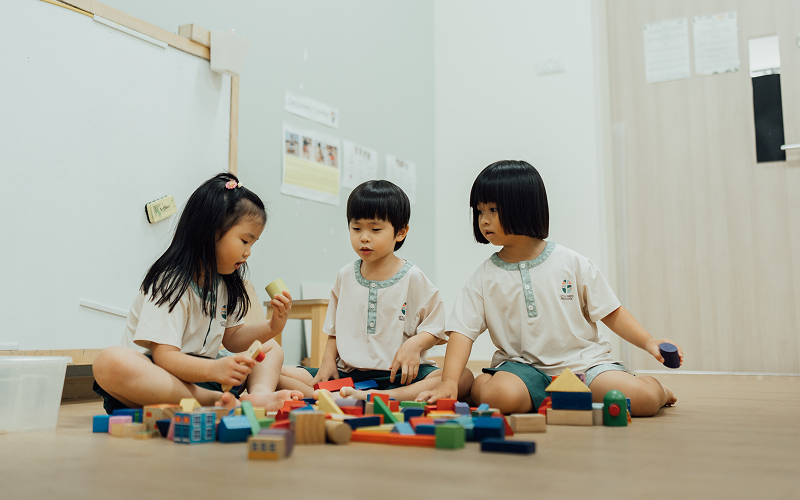
- Developing core values in preschool occurs through repeated, meaningful everyday experiences that help children see how their actions affect others.
- Consistent routines such as tidying up, taking turns, and caring for shared materials help children understand responsibility and their role within a community.
- Guided conversations during moments of conflict or mistake help children learn honesty, fairness, and how to make things right.
- Shared classroom experiences encourage generosity, cooperation, and consideration for others in practical and age-appropriate ways.
- Strong relationships and adult modelling shape how children understand integrity, empathy, and accountability over time.
Introduction: Where Values Begin
The preschool years shape far more than early academic skills. They are also a time when children begin forming habits that influence how they relate to others and understand concepts such as fairness, responsibility, and honesty. These lessons are rarely absorbed through instruction alone. They tend to grow through daily experiences in a steady and caring environment.
When a child waits for a turn, helps a friend, or tidies up shared materials, those small moments begin to matter. Through such interactions, children gradually start developing core values, recognising that their choices affect the people around them.
At Little Seeds Preschool, character formation is woven into everyday routines and relationships. Guided by values of respect, love, community, and truth, children are supported in practising self-control, generosity, responsibility, and honesty in ways that feel natural and meaningful. One of the first areas where this growth becomes visible is in how children learn to manage their impulses and make thoughtful choices.
Supporting Self-Control Through Choice and Patience
Learning self-control takes time. Young children are still learning to manage impulses and navigate strong emotions, and preschool provides a consistent setting where this growth can develop step by step.
Waiting for a turn, completing one activity before moving on, or choosing between two options may seem minor. Yet these everyday situations give children opportunities to develop self-control and generosity. With adult support, they begin to recognise how they feel and consider how to respond. Rather than intervening immediately, educators often remain present and guide children through the moment, helping them understand their choices.
In classrooms influenced by the Reggio Emilia approach, an educational philosophy that values child-led inquiry and collaborative learning, independence sits alongside clear expectations. Children are encouraged to make decisions while also learning that shared spaces require awareness of others. Over time, repeated experiences like these help children see that self-control is not simply about rules. It is about learning to pause, reflect, and act with consideration.
This process forms part of social-emotional learning in early childhood, as children gradually build the awareness and confidence needed to respond thoughtfully in different situations.
Encouraging Generosity Through Shared Experiences
Children begin to understand generosity when they see its effect on others. Sharing materials during art time, taking turns in group activities, or helping a classmate complete a task helps them see how small actions can make a difference.
These everyday interactions form part of values education in preschool, linking empathy with practical behaviour. When educators draw attention to what happened and how it affected others, children gain clearer insight into why generosity matters. They start to notice that cooperation supports friendships and mutual trust.
With repeated opportunities to share and contribute, giving gradually becomes less dependent on reminders. This steady progression supports early childhood moral development, as children come to understand that consideration and mutual respect strengthen relationships.
Teaching Responsibility Through Daily Routines
Responsibility in preschool is usually introduced through steady, manageable routines. Packing away after play, returning materials to their place, and taking on simple classroom roles give children practical ways to contribute.
When these expectations are part of everyday life, teaching responsibility to young children feels natural rather than corrective. Children begin to see that shared spaces work best when everyone contributes.
Across our centres, including our childcare campus in Bukit Batok, classrooms are arranged to encourage independence. Materials are within reach and routines are clear, making it easier for children to take ownership of their surroundings. In our bilingual preschool setting, expectations are reinforced consistently across languages, helping children build understanding through repetition.
As children take part in these routines day after day, they grow more assured in their ability to contribute. These experiences gradually support the wider process of developing core values rooted in accountability and consideration for others.
Nurturing Honesty and Integrity Through Reflection
Disagreements and mistakes are part of everyday life in preschool. How these moments are handled can shape a child’s understanding of honesty and fairness.
When a child admits to taking something without asking or describes what happened during a conflict, the adult’s response matters. Instead of reacting quickly or focusing only on consequences, educators guide children to reflect on what took place and who was affected. This helps children consider both fairness and responsibility in a way they can understand.
Conversations often focus on understanding what happened and how to make it right. Children are encouraged to think about how their actions affect others and what they can do next. Gradually, they begin to see that honesty strengthens trust and keeps friendships steady.
These repeated reflections strengthen social-emotional learning in early childhood and contribute to moral development, as children come to see integrity not as a rule to follow but as part of who they are becoming.
The Role of Environment and Relationships
Children take in far more than spoken instructions. They watch how adults respond, how routines are carried out, and how people treat one another. The classroom tone, how conflicts are handled, and the consistency of expectations all shape how values are understood.
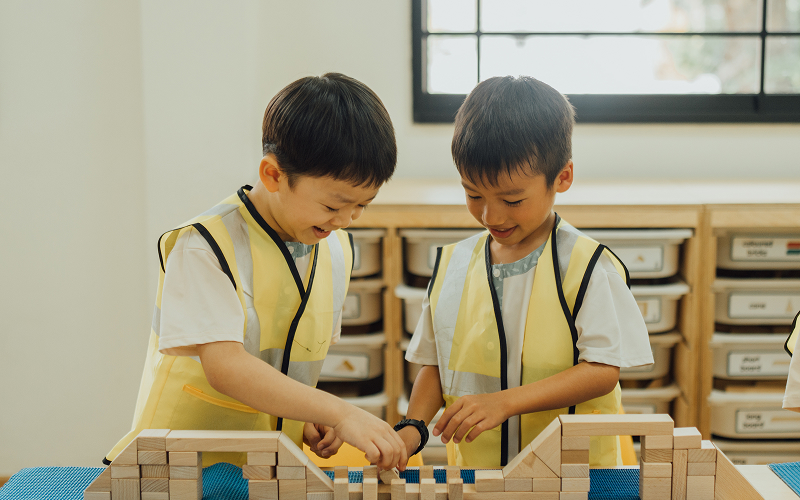
When educators show fairness, follow through on their words, and take responsibility for their actions, children see what integrity looks like in practice. In environments influenced by the Reggio Emilia methodology, collaboration and shared exploration are part of daily learning. Children work alongside one another, discuss ideas, and solve problems together, which gives them regular opportunities to practise cooperation and consideration.
With repeated practice, these shared experiences and relationships make developing core values part of everyday life, rather than something taught in isolation.
Conclusion: Foundations That Extend Beyond the Classroom
The preschool years offer daily opportunities for children to practise patience, generosity, responsibility, and honesty in ways that connect directly to their lived experiences. Through steady routines and strong relationships, these moments gradually shape how children see themselves and how they participate in a community. In this way, developing core values becomes part of their growing identity rather than a lesson to memorise.
As a nurturing preschool in Singapore, Little Seeds Preschool integrates character development into everyday learning in practical, consistent ways. Our educators model the behaviours they hope to see, guide children through moments of reflection, and create classroom environments where respect, responsibility, and cooperation are part of daily life.
If you would like to learn more about our values-centred approach and how we support children’s development in the early years, we warmly invite you to connect with our team through a school tour and explore our preschool community.

