
Key Takeaways:
- Feeling anxious at drop-off is common when starting preschool, and separation anxiety does not mean a child is unprepared or incapable of adjusting.
- Talking through daily routines and keeping goodbyes calm and consistent can make the transition feel more predictable and reassuring.
- When adults acknowledge emotions with steadiness and empathy, children gradually develop stronger emotional security and resilience.
- Consistent relationships with educators and intentional preschool transition support help children move from uncertainty to confidence over time.
Introduction
Starting preschool is a significant moment for both children and families. It brings about feelings of excitement and curiosity, but can also stir uncertainty. For many young children, feeling unsettled when adjusting to a new environment is entirely natural.
Separation anxiety in preschool may show up as clinginess at drop-off, unexpected tears, or hesitation at the classroom door. These reactions are not signs that something is wrong. They simply reflect strong attachment bonds and a child’s growing awareness that routines are changing.
Although the early weeks can feel emotionally heavy, this phase is usually temporary. With patient reassurance and consistent support, children begin to understand that preschool is a safe and caring place. The five practical strategies below can help families ease separation anxiety and support a smoother, more confident start to preschool life.
1. Talk About Preschool Before It Begins
When preschool is described in warm, reassuring terms, children form clearer pictures of what to expect. Sharing simple details about greeting teachers, snack time, story sessions, or outdoor play makes the experience more concrete. The clearer the image, the less overwhelming it feels.
Storybooks about starting school can help normalise mixed emotions. Practising short separations with trusted caregivers also allows children to experience the rhythm of goodbyes and reunions in manageable steps.
With familiarity comes confidence. When children recognise elements of their new routine, adjusting to preschool becomes more manageable, and saying goodbye at the classroom door becomes a little easier.
2. Keep Goodbyes Short, Warm, and Consistent
A simple and predictable goodbye routine helps children feel secure. A hug, a clear reminder of when you will return, and a confident smile offer reassurance. These small actions communicate something important: the separation is temporary, and reunion is certain.
When tears appear, it can feel instinctive to linger. Yet prolonged goodbyes may unintentionally heighten separation anxiety, particularly if a child senses hesitation. Leaving calmly and confidently, even when emotions are present, communicates trust in both the child and the environment.
Within Little Seeds Preschool’s play-based preschools, our educators thoughtfully support this transition. Children are welcomed warmly and guided towards familiar activities, helping their attention shift from parting at the door to engaging in the rhythm of the day.
3. Acknowledge Feelings Without Amplifying Them
When a child cries or clings, the instinct might be to distract them quickly or brush the emotion aside. However, a calm acknowledgement does more to reassure than immediate distraction.
A simple response such as, “I know it’s hard to say goodbye. Mummy will be back after lunch,” helps a child feel understood while reinforcing certainty. Lengthy explanations are rarely needed. A calm tone and steady presence are often enough to reassure.
Children learn how to manage emotions by observing how adults respond. In our preschools, including our Kovan childcare centre, our educators meet these moments with patience and consistency. Over time, these repeated interactions build trust and contribute meaningfully to building emotional security in early childhood.
As that sense of security strengthens, separation anxiety gradually decreases because the child feels supported rather than rushed, and understood rather than dismissed.
4. Encourage Small Moments of Independence
For a young child adjusting to preschool, the smallest tasks can carry real significance. Carrying a water bottle independently, placing a bag neatly into the cubby, choosing a preferred activity, or helping tidy up after play may seem ordinary to adults. Yet these everyday actions build a quiet sense of competence and control.
Across thoughtfully designed preschool programmes, independence is introduced gradually and within safe boundaries. Children are invited to make age-appropriate choices, take responsibility for simple tasks, and attempt small challenges, knowing support is close at hand when needed.
As children begin to recognise their own capabilities, the classroom starts to feel less defined by separation and more associated with participation and success. That gradual shift can meaningfully reduce separation anxiety over time.
5. Let Relationships Do the Heavy Lifting
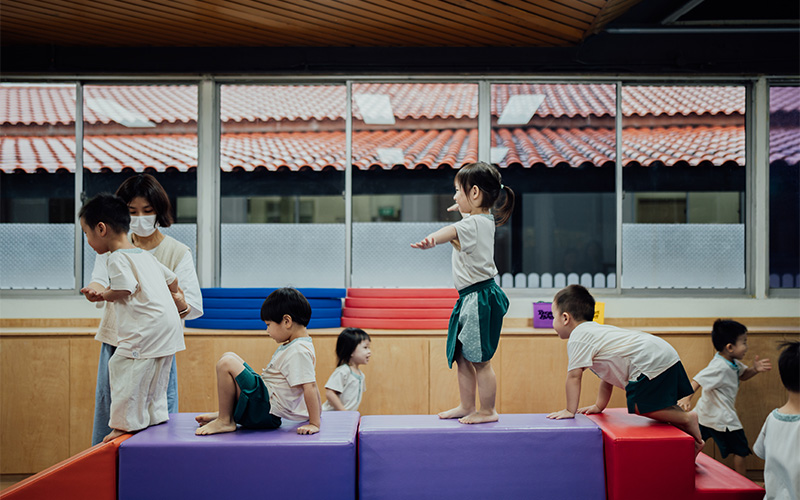
While routines and preparation matter, it is often relationships that make the greatest difference. At Little Seeds Preschool, children are supported by educators who take the time to understand each child as an individual. Familiar faces bring continuity from one day to the next. When a teacher remembers a favourite story, notices a shift in mood, or checks in during a difficult moment, trust grows.
As days turn into weeks, these interactions begin to anchor children. They look forward to being greeted by name, sitting beside a friend, or sharing a simple moment of play. That growing sense of belonging forms the heart of effective preschool transition support.
When children feel understood and secure within their relationships, anxiety often becomes a brief phase rather than a prolonged struggle.
Conclusion
Experiencing separation anxiety during the preschool years is a natural part of growing up. For many children, it reflects strong attachment bonds and the courage it takes to step into something new. With thoughtful preparation, consistent routines, emotional reassurance, opportunities for independence, and stable relationships, most children gradually find their footing in their new environment.
At Little Seeds Preschool, helping children adjust to preschool is approached with care and intention. Through intentional transitional support and nurturing connections, we prioritise building emotional security in early childhood so that children feel safe enough to explore, participate, and develop with confidence.
If you would like to learn more about our curriculum and how we walk alongside families during this important milestone, we warmly invite you to connect with our team through a school tour and discover how we can support your child’s journey.

